Quick Answer: What Is the Best Age to Learn Guitar?
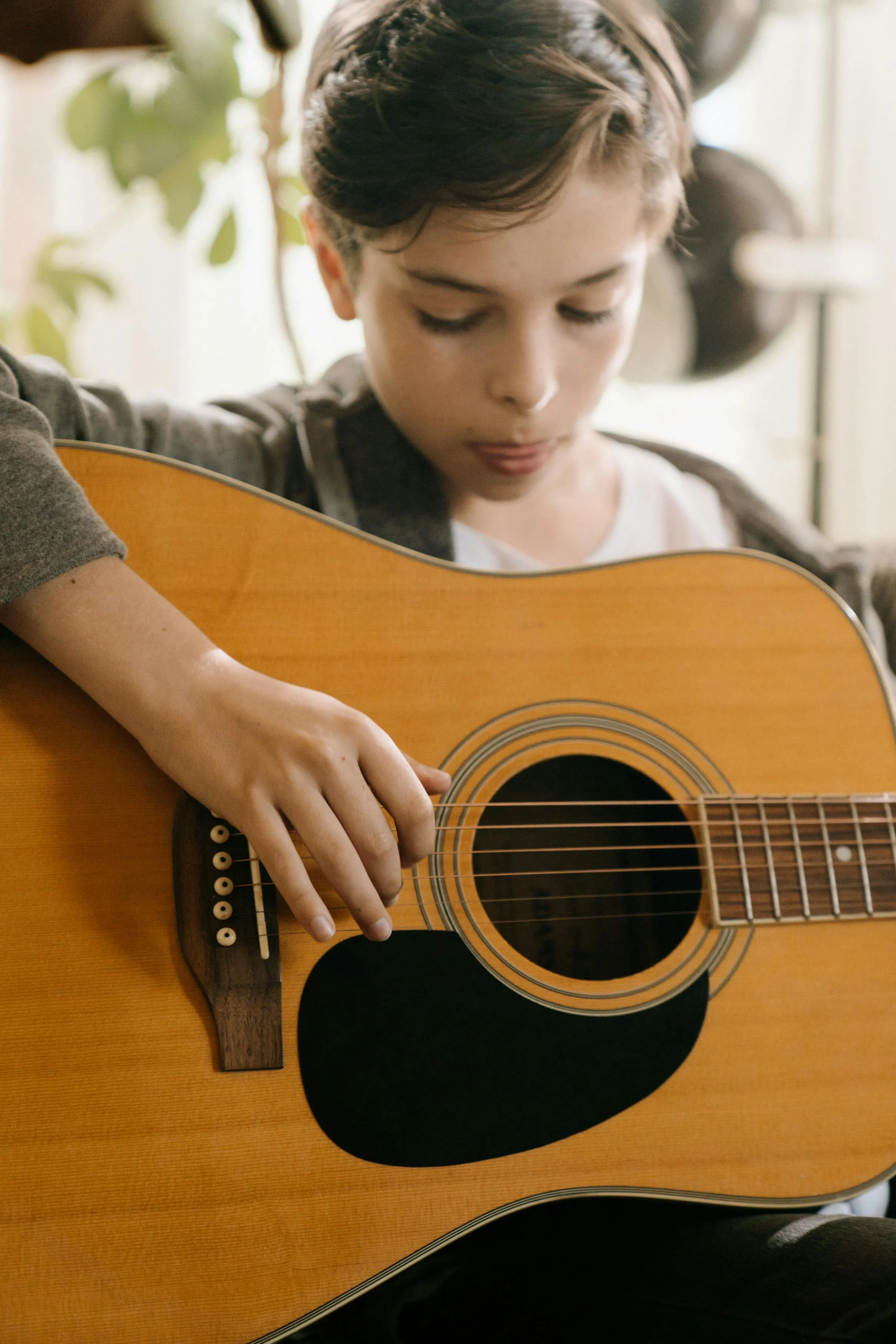
The best age to learn guitar depends on the child’s readiness. Some children are ready earlier, while others do better when they are older. A child may be ready for guitar lessons when they can follow instructions, focus for a short lesson, handle the instrument, and practice with support. For many children, the best age is around 8 years old. For younger children, a half or three-fourths sized guitar works well.
What Kids Learn in Hands-On 6
Students learn:
Why Structure Matters for Kids
Children often enjoy music, but they can become frustrated if the path is unclear. Hands-On 6 uses a method book so students know what they are working on and what comes next.
This structure helps parents too. Instead of asking, “What are you supposed to practice?” the family can refer to the lesson assignment and book material.
Having a patient teacher like Tom makes a big difference. He is clear, encouraging, and patient. He explains new concepts clearly and helps students understand what they are doing.
Are Virtual Guitar Lessons Good for Kids?
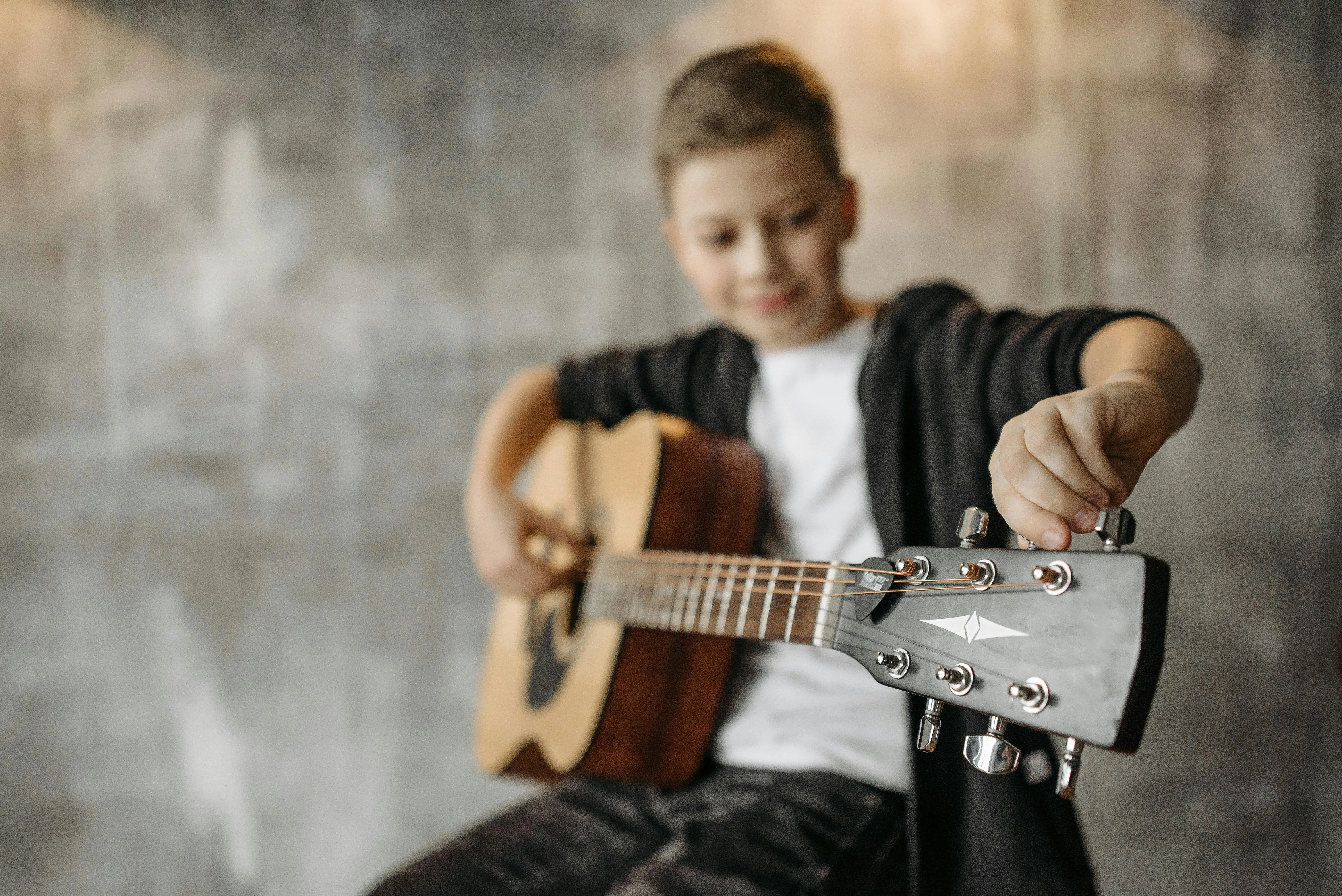
Yes. Virtual guitar lessons can work well for kids when the lesson is organized and the student has a clear practice assignment. Parents may need to help younger students set up the device, tune the guitar, or stay on routine. It's good for parents to be proactive and help their child stay on track. Kids that have a hard time staying on task may benefit from a parent or caregiver being present for the lesson.
Is a 30-Minute Guitar Lesson Enough for Kids?
Yes. For many children, 30 minutes is a good lesson length. It is long enough to review, teach, correct, and assign practice, but short enough to keep the student engaged.
Common Mistakes Kids Make When Learning Guitar
Kids often struggle when they:
Hands-On 6 helps students slow down, listen carefully, and improve step by step.
How Parents Can Help
Parents do not need to know guitar. The most helpful things parents can do are: